
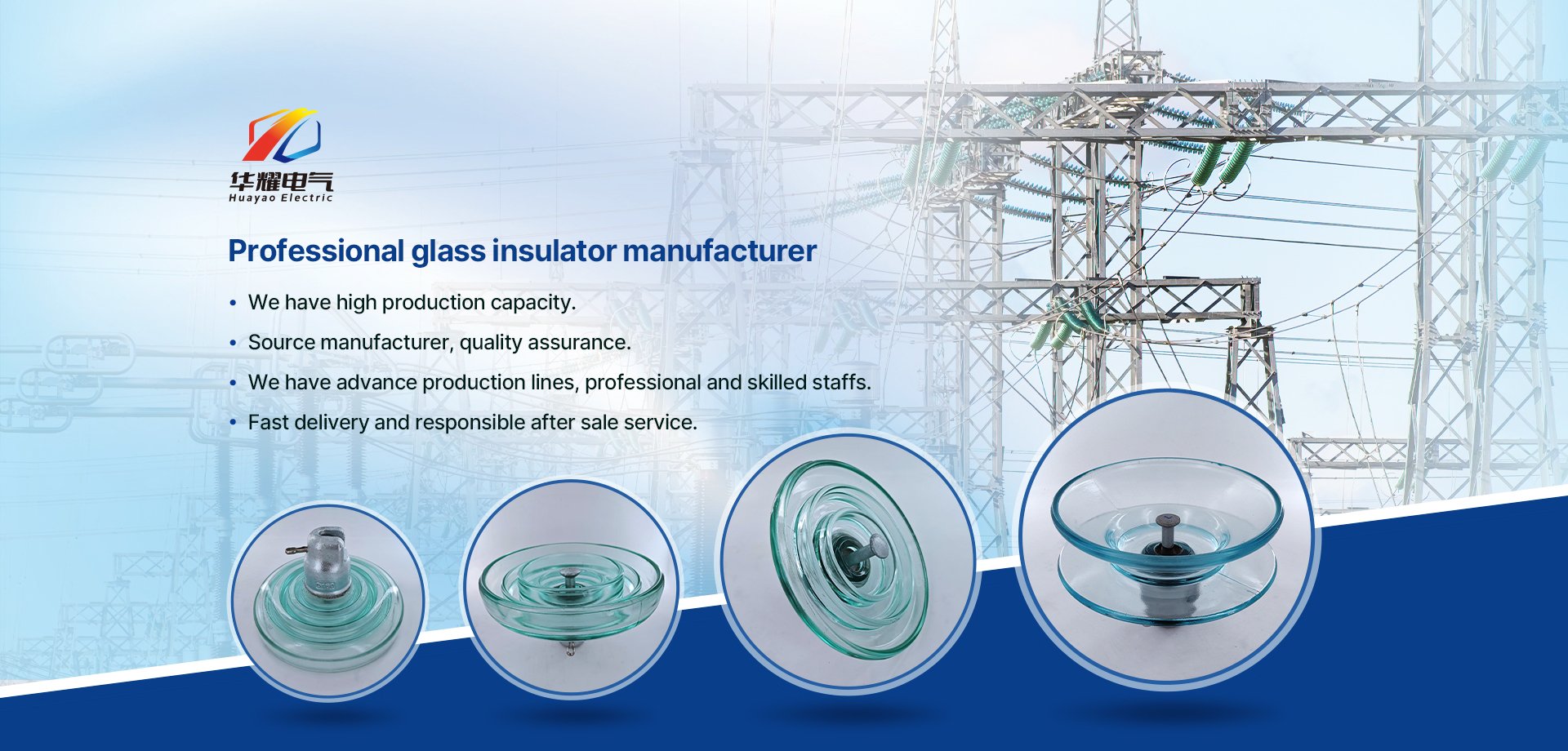
Understanding Glass Bell Insulators in Electrical Systems
Glass bell insulators are vital in electrical energy distribution, offering high mechanical strength and excellent insulation properties. They ensure the integrity and efficiency of high-voltage power lines, supporting conductor cables and preventing short circuits and electrical shocks.
Key Materials in Glass Bell Insulator Manufacturing
Primary Material: Tempered Glass
High-quality tempered glass is the primary material used, chosen for its ability to withstand significant mechanical and thermal stresses. This ensures durability in harsh conditions while maintaining performance over time.
Complementary Materials
Materials such as cast iron, forged steel, and stainless steel are integral to the fastening fittings, enhancing the insulator's strength. Additions like cement and coatings improve resistance to corrosion and contamination.
Manufacturing Process of Glass Bell Insulators
Glass Preparation and Molding
Manufacturing begins with melting raw glass at approximately 1500°C, followed by molding into a bell shape. This process requires precision to ensure uniformity and adherence to specifications.
Tempering and Quality Assurance
Post-molding, glass bells undergo tempering to enhance their strength. Rigorous quality tests, including thermal shock tests, ensure compliance with industry standards.
Design Considerations for Glass Insulators
Mechanical and Electrical Requirements
Designs must meet specific mechanical and electrical requirements, including tolerance to mechanical breaking loads. Factors like profile shape and creepage distance are crucial in the design phase.
Customization and Compatibility
Customization is often necessary for compatibility with existing infrastructure. Manufacturers work closely with clients to tailor designs, ensuring optimal performance.
Quality Standards and Testing Procedures
Compliance with International Standards
Insulators comply with standards from the International Electrotechnical Commission (IEC) and the American National Standards Institute (ANSI), ensuring reliability and safety in high-voltage applications.
Testing and Quality Control
Each insulator undergoes tests to verify mechanical strength and electrical resistance, ensuring compliance with established standards through rigorous quality control.
Installation and Maintenance Practices
Installation Best Practices
Proper installation is crucial for efficient operation. Manufacturers provide guidelines to ensure secure attachment to structures, considering environmental conditions and design specifications.
Regular Maintenance and Inspection
Regular inspections help identify wear or contamination, particularly in polluted areas. Preventive measures like cleaning and protective coatings extend insulator life.
Technological Advancements and Innovations
Modern Manufacturing Techniques
Advancements in manufacturing technology, such as automated molding, have enhanced the consistency and quality of insulators, optimizing production and reducing costs.
Innovative Coatings and Treatments
New treatments, like hydrophobic RTV silicone coatings, enhance performance in contaminated environments by improving resistance to moisture and pollutants.
Comparative Analysis of Insulator Types
Glass vs. Porcelain Insulators
Glass insulators offer affordability and visibility for fault detection, while porcelain provides superior strength and resistance to aging.
Glass vs. Polymer Insulators
Polymer insulators are lightweight and vandal-resistant, but glass remains preferred for high-voltage applications due to durability and resistance to extreme conditions.
Addressing Environmental and Operational Challenges
Impact of Environmental Conditions
Temperature changes, humidity, and pollution can affect performance. Designing with these factors in mind ensures maintained properties under various conditions.
Operational Challenges and Solutions
Challenges like dust accumulation require solutions such as regular cleaning. Customized solutions enhance effectiveness over an insulator's operational life.
Future Trends in Insulator Manufacturing
As electrical infrastructure expands, demand for glass insulators grows. Focus areas include enhancing production efficiency, sustainability, and exploring new materials for robust solutions.
Huayao's Commitment to Quality Insulator Solutions
Huayao leverages cutting-edge technology to ensure high-quality glass bell insulators. Our approach includes customized design, innovative coatings, and rigorous testing, focusing on sustainability and durability to enhance global electrical systems' safety and efficiency.
Post time: 2025-11-13 14:10:28
 Privacy settings