
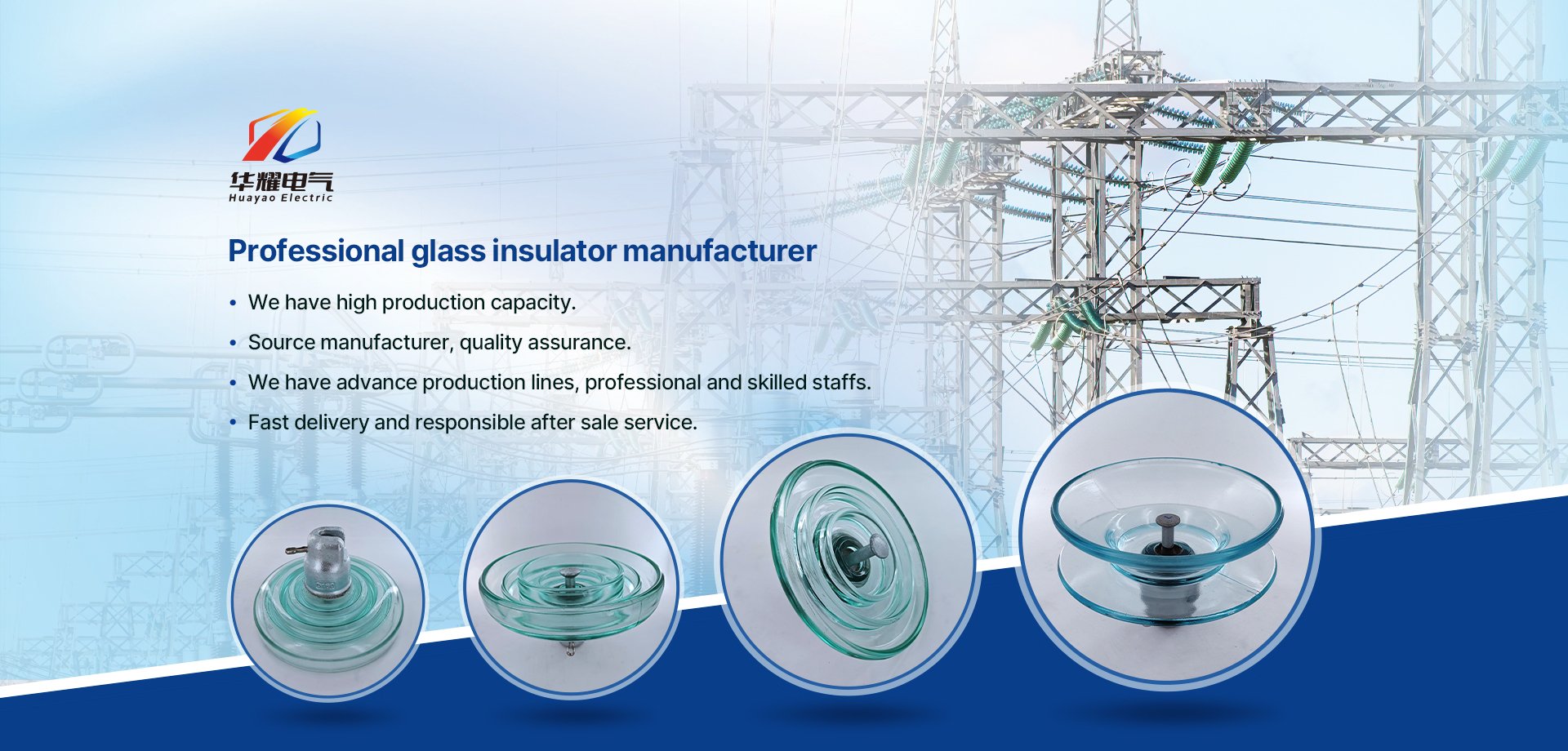
Introduction to Glass Radio Strain Insulators
Glass radio strain insulators are pivotal in enhancing the reliability and efficiency of electrical transmission systems. These insulators are engineered to endure substantial mechanical and electrical stresses while retaining their insulating capabilities. Understanding their load capacity is crucial for ensuring the safety and stability of power lines.
Material Properties of Glass Insulators
Dielectric Strength and Resistivity
Glass insulators are renowned for their high dielectric strength, generally measuring around 140 kV per centimeter of thickness. This property effectively prevents electrical current from passing through, preserving the integrity of power lines. Additionally, their high resistivity makes glass an excellent choice for insulation materials.
Mechanical Strength
The compressive strength of glass insulators surpasses that of porcelain, reaching up to 1,000 kg/cm². This strength is essential for supporting electrical conductor weight and withstanding external forces like wind.
Factors Influencing Load Capacity
Temperature Variations
Glass's low coefficient of thermal expansion ensures minimal physical changes in response to temperature fluctuations. However, extreme temperatures can still affect its mechanical properties, necessitating careful design considerations for specific climates.
Moisture and Contamination
A challenge with glass insulators is moisture collection, which can lead to dirt accumulation and increased current leakage risk. Hydrophobic coatings are often employed to mitigate these effects, enhancing performance under humid conditions.
Mechanical vs. Environmental Considerations
Impact of Wind Loads
Wind loads exert significant stress on insulators, particularly on transmission lines in exposed or elevated areas. Glass insulators' tensile and compressive strengths allow them to withstand these forces within limits. Analyzing wind load data is vital for calculating safe load capacities.
Resistance to Seismic Activity
In seismic-prone areas, insulators face additional stress from ground movements. Glass insulators' inherent strength offers some resistance, though extra reinforcement may be required for higher safety margins.
Comparative Analysis with Porcelain Insulators
Insulating Properties
While both glass and porcelain insulators provide effective insulation, glass offers superior dielectric strength. Porcelain insulators may be preferred in environments susceptible to contamination due to their less hydrophilic surfaces.
Durability and Longevity
Porcelain insulators traditionally boast longer service lives, often due to their resistance to surface degradation. However, advancements in glass insulator coatings are narrowing this longevity gap.
Installation and Maintenance Practices
Proper Handling and Setup
Ensuring maximum performance and lifespan requires proper handling and installation of glass insulators, including securing with suitable hardware and regular inspections for stress or damage signs.
Regular Inspections
- Visual Inspection: Checking for cracks and chips
- Electrical Testing: Ensuring dielectric properties remain intact
- Mechanical Testing: Verifying structural integrity under load conditions
Safety Measures and Risk Mitigation
Designing for Safety Margins
Insulators should be designed with a safety factor to account for potential overloads and environmental stresses, typically involving a safety factor of around 10.
Addressing Environmental Hazards
Manufacturers offer solutions for hazards such as bird interaction, pollution, and severe weather through specialized designs and materials.
Advances in Insulator Technology
Innovative Coatings and Treatments
Advancements in hydrophobic coatings and UV-resistant treatments enhance glass insulators' performance, increasing service life and reliability.
Smart Monitoring Solutions
Technological advancements enable smart insulators equipped with sensors to monitor stress and environmental conditions in real-time, offering critical insights for enhanced performance.
Conclusion: Balancing Load and Safety
Glass radio strain insulators are vital components for secure electricity transmission. By understanding their material properties and factors affecting performance, manufacturers and suppliers can meet safety and efficiency standards. Combined with modern technological enhancements, these insulators are indispensable in the energy distribution network.
Huayao Provides Solutions
Huayao offers advanced glass radio strain insulators, featuring state-of-the-art hydrophobic coatings and UV-resistant technologies for enhanced durability. Our solutions include smart monitoring capabilities for real-time data, ensuring optimal performance and safety. We collaborate with manufacturers, suppliers, and wholesale partners to deliver tailored solutions for the evolving energy sector. Trust Huayao for reliable and innovative insulator technologies.
Post time: 2025-11-13 14:09:48
 Privacy settings