
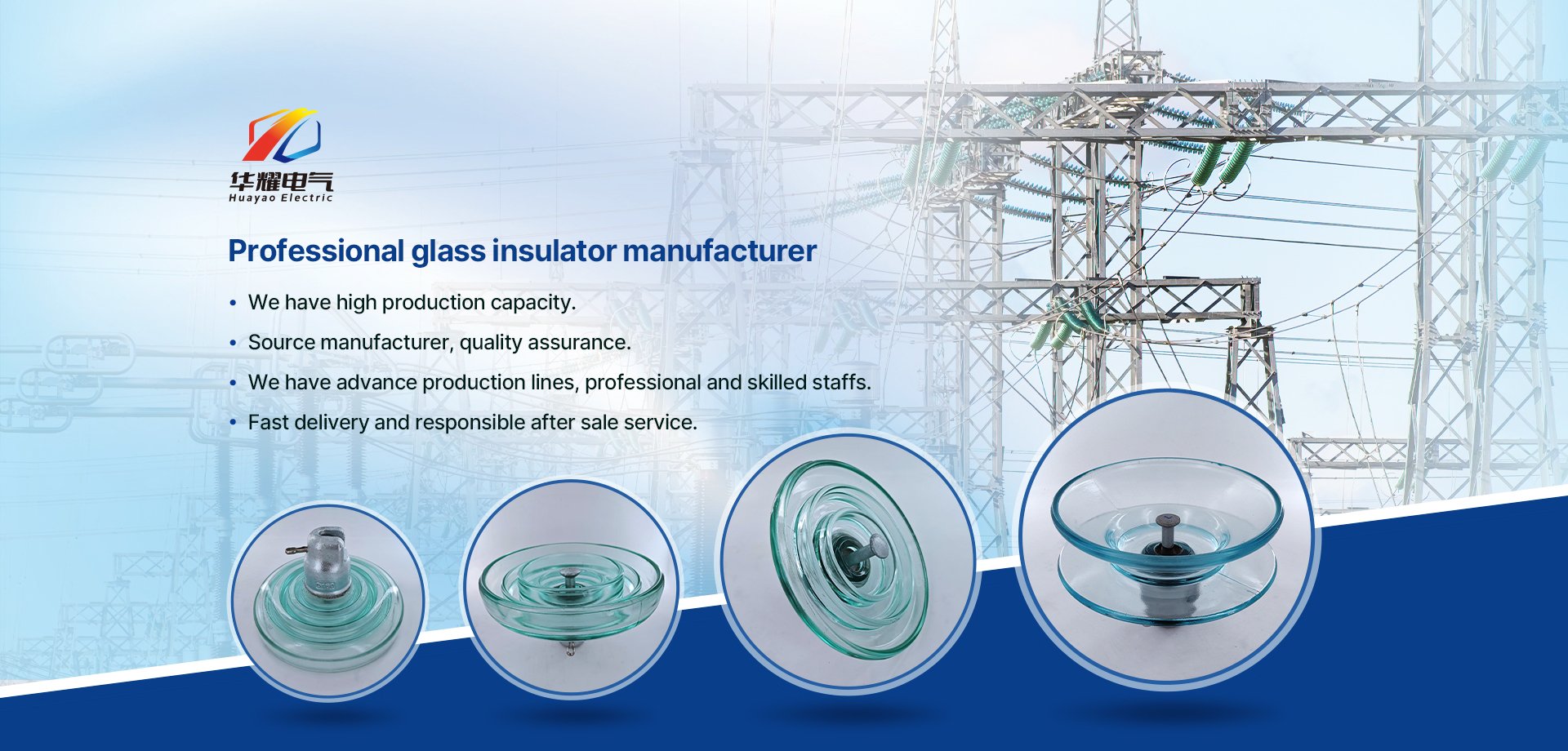
Introduction to Porcelain Donut Insulators
Porcelain donut insulators play a crucial role in electrical power transmission systems. With their capability to prevent unwanted electrical flow, these insulators are predominantly used in overhead electrical lines due to their durability and insulating efficiency. This article delves into the materials used for manufacturing, the processes involved, and their performance characteristics.
Raw Materials for Porcelain Insulators
- Primary Ingredients: Feldspar, Quartz, and Kaolin
The fundamental raw materials for producing porcelain insulators are feldspar, quartz (or silica), and kaolin. Feldspar acts as a flux, reducing melting temperatures and allowing vitrification into a glassy phase. Quartz adds structural integrity and thermal resistance, while kaolin ensures the necessary plasticity and workability during forming. These components collectively guarantee the mechanical strength and electrical properties of the insulator.
Chemical Composition and Mineralogy
- Key Elements and Their Roles: Feldspar, Quartz, and Kaolin
Feldspar contains alkali metals like sodium and potassium, influencing the melting process. Quartz, primarily silicon dioxide, enhances hardness. Kaolin, a hydrous aluminum silicate, contributes to the product's whiteness and smooth finish. Manufacturers and suppliers must ensure minimal impurities in these materials to achieve optimal performance.
Thermal Properties and Their Significance
Porcelain insulators must remain effective across a vast temperature range to maintain their electrical insulating properties. Thermal gravimetric analysis (TGA) provides insights into thermal stability by assessing weight changes during heating. The usual operating temperature range for porcelain insulators is between -40°C and 50°C.
Manufacturing Process of Porcelain Insulators
The manufacturing process begins with the selection and blending of raw materials to create a homogeneous mixture. The mixture is then milled and shaped, typically through slip casting. After forming, the insulator is dried and fired at temperatures over 1200°C, transforming the material into a dense, glassy state. Manufacturers must meticulously control each stage to meet stringent quality standards.
Performance Characteristics of Porcelain Insulators
Porcelain insulators are lauded for their high mechanical strength, allowing them to withstand physical stresses such as wind and ice. They also offer exceptional dielectric strength, providing effective insulation even at voltages over 100kV. Their corrosion resistance ensures reliable performance in harsh conditions.
Global and Local Material Sourcing
- Effects on Cost and Supply Chain: Sourcing Strategies
Sourcing raw materials for porcelain insulators affects production costs and supply chain logistics. Countries with rich reserves of feldspar, quartz, and kaolin may lower production costs and reduce import dependency. Manufacturers and suppliers must consider geographical availability to optimize efficiency.
Comparative Analysis with Other Insulator Materials
- Porcelain vs. Polymer Composites: A Comparative Study
Polymer composite insulators have gained popularity due to their lightweight and ease of installation. However, they often lack the long-term durability and thermal stability of porcelain insulators. Despite weighing about half as much as porcelain ones, polymer insulators are less preferred for challenging environments due to performance considerations.
Economic and Environmental Impact
- Challenges and Opportunities in Production: Balancing Efficiency and Sustainability
Producing porcelain insulators is energy-intensive, raising environmental concerns. Manufacturers must balance production efficiency with sustainability goals. Innovations in energy-efficient kilns and recycling initiatives can mitigate these impacts. Utilizing local raw materials can reduce transportation emissions and boost local economies.
Future Directions in Insulator Research
The advancement of porcelain insulators lies in enhancing their properties through material science innovations. Research is aimed at developing formulations with improved dielectric properties and mechanical strength. Integrating smart technologies for self-monitoring and real-time data can transform their role in modern power grids.
Huayao: Providing Reliable Solutions
Huayao specializes in high-performance porcelain donut insulators, utilizing superior raw materials and advanced manufacturing techniques. Our comprehensive solutions address diverse electrical insulation needs, ensuring exceptional quality and longevity. By partnering with trusted suppliers and leveraging local resources, we offer competitive pricing and efficient supply chain management. At Huayao, we are committed to supporting sustainable energy infrastructures and meeting the evolving demands of the electrical industry.
Post time: 2025-11-13 14:11:32
 Privacy settings