
Historical Evolution of Porcelain Insulators
Porcelain has been central to electrical insulation for over a century, adapting to the evolving demands of power grids. Initially chosen for its accessibility and ease of manufacture, porcelain's role expanded as voltage and application needs grew. Its moldability facilitated innovative designs, making it ideal for high voltage use. Early advancements leveraged porcelain's electrical shielding and mechanical strength, laying the groundwork for today's technology.
Innovations in Porcelain Material Composition
Advanced Material Blending
The composition of porcelain has evolved significantly with new material blends enhancing its durability and insulating properties. Innovations in ceramics and the optimization of clay, quartz, and feldspar ratios have increased porcelain's resilience to environmental stressors, improving performance in harsh climates and mechanical impacts.
Nanotechnology Integration
Recent advancements include nanotechnology’s integration to boost porcelain's physical properties. Nanoparticles increase the density and homogeneity of the porcelain matrix, elevating its dielectric strength. This allows for superior performance in high-voltage applications, extending the insulators' service life.
Enhanced Design and Simulation Techniques
Computer-Aided Design Improvements
Computer-aided design (CAD) software has revolutionized insulator development. Precise modeling of electric field distribution allows designers to optimize shapes and sizes for maximum efficiency, resulting in insulators that perform better and reduce material waste.
Field Testing and Validation
Advanced simulation techniques complemented by rigorous field testing ensure that insulators meet and exceed industry standards. Real-world testing provides valuable data for design refinement, producing reliable components for electrical systems.
Dielectric Stress Management
Optimized Electric Field Distribution
Key developments focus on effectively managing dielectric stresses. Enhanced design techniques result in insulators that evenly distribute electric fields, reducing dielectric failure risks and supporting higher voltage handling without sacrificing safety or performance.
Advanced Stress Analysis
Manufacturers use stress analysis software to predict and mitigate dielectric punctures, enhancing design to prevent failures like arcing. This leads to more robust insulators capable of withstanding extreme electrical demands.
Mechanical and Environmental Resilience
Improved Mechanical Strength
Advancements in material science and manufacturing techniques significantly improve porcelain insulators' mechanical strength, enabling them to support heavier loads and endure greater mechanical stresses.
Environmental Adaptability
Modern porcelain insulators benefit from innovative coatings and improved compositions that resist weathering and degradation, ensuring reliable performance across varied environmental conditions.
Compatibility with Covered Conductors
Simplified Integration
Research has advanced the compatibility between porcelain insulators and covered conductors. Computational simulations demonstrate their effective use together, simplifying electrical system design and deployment.
Performance Enhancements
Porcelain insulators now deliver superior performance with covered conductors, improving electric field distribution and reducing dielectric stress, thus enhancing system reliability and longevity.
Economic and Longevity Benefits
Cost-Effective Solutions
Porcelain insulators offer economic advantages due to their low production costs and extensive service life. Their durability minimizes replacement needs, cutting maintenance costs and downtime.
Extended Service Life
Innovations in material composition and design extend the life of porcelain insulators, meeting evolving electrical demands and offering a robust return on investment.
Innovations in Manufacturing Processes
Automated Production Techniques
Automated manufacturing improves the quality and precision of porcelain insulators, enhancing reliability while speeding up production to meet growing demand.
Quality Control and Testing
Enhanced quality control measures ensure each insulator meets rigorous industry standards, with sophisticated testing evaluating mechanical and electrical properties, ensuring only top-quality products reach the market.
Comparisons with Alternative Materials
Porcelain vs. Polymer Insulators
While polymer insulators are lauded for lightweight, porcelain offers superior electrical performance and longevity, often preferred in high voltage and demanding environments.
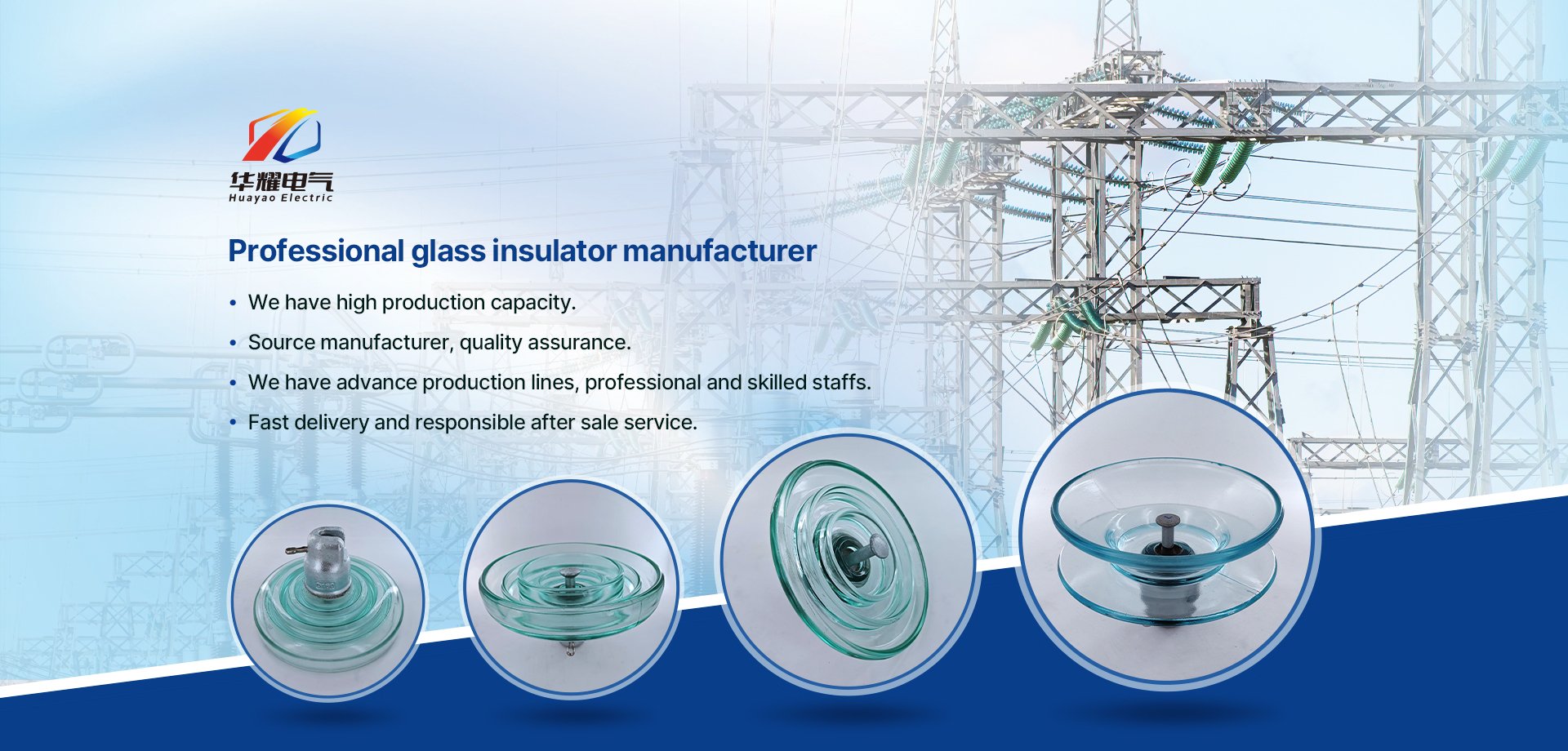
Porcelain vs. Glass Insulators
Glass insulators boast transparency and ease of inspection, but porcelain offers greater mechanical strength and resistance to stress, leading manufacturers to choose based on specific application needs.
Future Prospects for Porcelain Insulators
Advancements in materials and design position porcelain insulators to remain crucial to electrical infrastructure. Future developments may enhance integration with smart grid technologies, further boosting performance and value.
Huayao Provide Solutions
Huayao leads innovation in porcelain insulator technology, offering solutions to meet all electrical infrastructure needs. Our advanced manufacturing processes and quality commitment ensure superior performance and longevity.
Post time: 2025-11-13 14:12:15
 Privacy settings